

Rethinking Artiste–Label Relationships: What Football Can Teach Us About the Future of Music Investment
To everyone—artists, industry folks, investors, and policymakers,
This morning, I want to have an honest conversation about the music business. Not one driven by hype or emotion, but one that really looks at how we can protect creativity and investment so everyone thrives.
We often cheer for artistes because they’re in the spotlight—they have fans, streams, and a strong voice. But being visible doesn’t always mean they’re the ones taking the biggest risks. Often, the people who put money and resources into building that artist’s career are the quiet ones, and sadly, they don’t always get the recognition or protection they deserve.
Music isn’t a quick-win business. Unlike many industries, you don’t just invest and see returns in a few years. It takes time—years of nurturing, building infrastructure, creating networks, and yes, emotional energy too. Labels invest not just money, but patience and belief in an artist’s future.
Let’s be real for a moment.
Most artists get signed when they’re just potential—no big fanbase, no market value, no bargaining power. Someone steps in, believes in them, and lays the groundwork. But once success hits and the money starts flowing, things often shift. Suddenly, the label is seen as unnecessary. Independence feels like the easy choice. The people who were partners at the start become obstacles.
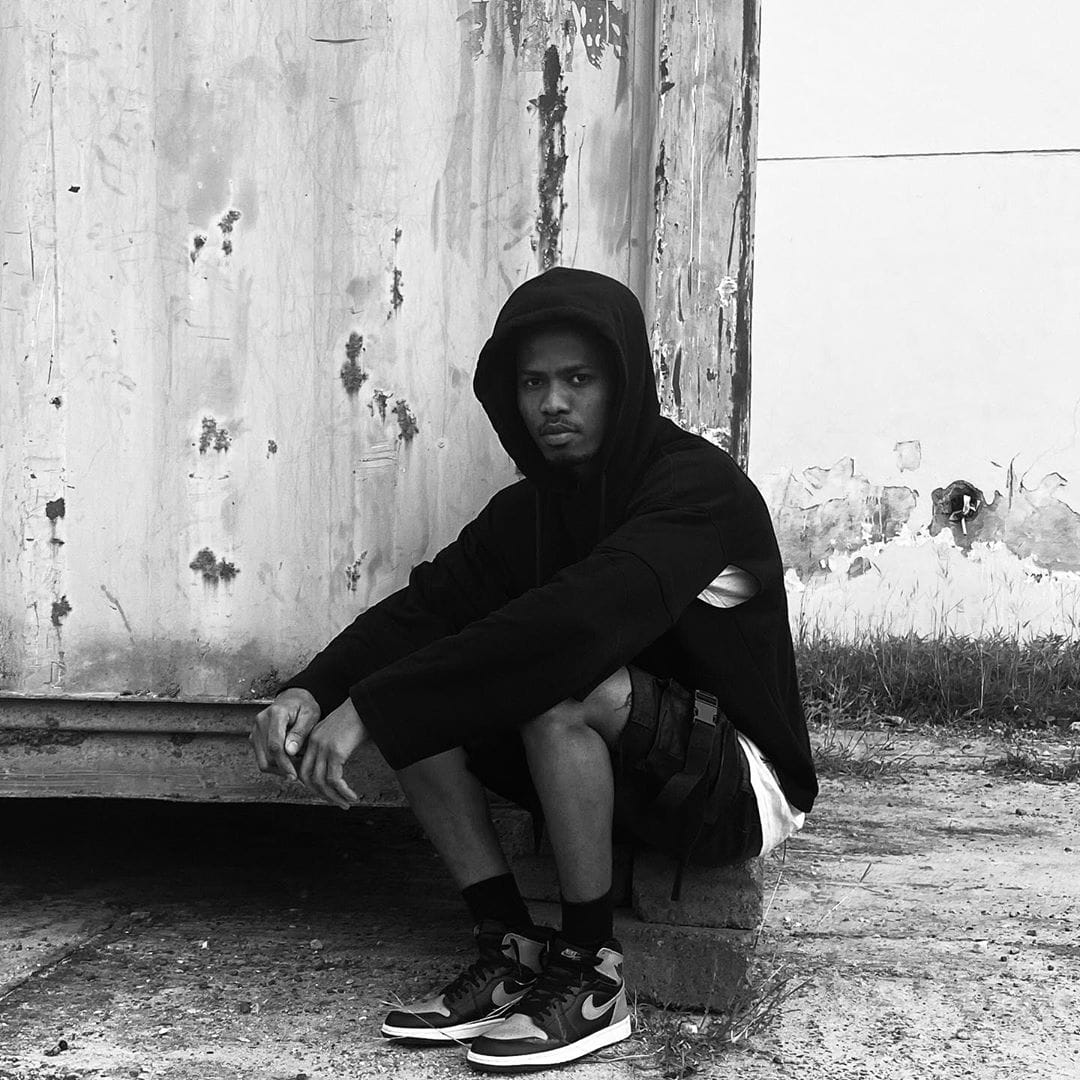
This brings me to the recent situation with Kwesi Arthur and Ground Up Chale.
Without pointing fingers, this case highlights a bigger problem than just a contract dispute. On one side, you have an artist who feels limited and wants to move forward on their own terms. On the other, a label that invested years building a global brand and expects to protect that investment.
Most people side with the artist because they’re visible and relatable. But we rarely ask:
What happens to the people who took the risk and invested in that artist?
How do we make sure the system is fair, beyond the emotional stories?
Here’s where I think music can learn from football.
In football, everyone understands that developing talent is costly and takes time. FIFA rules say that the clubs who train a player early on get paid when that player moves on. So even if a player transfers multiple times, the original clubs still get a share of the fees.
Why? Because football recognizes that early investment creates lasting value—and that value shouldn’t just disappear once a player grows.
In music, we don’t have that safety net.
When an artist leaves a label, the financial and structural ties often end completely, no matter how much time or money was invested. There’s no industry-wide system to ensure ongoing compensation. It all depends on contracts—and when those expire, so does the history.
That’s why labels feel cheated. That’s why investors hesitate to back new talent. And that’s why these conflicts keep happening.
If we want better contracts and healthier relationships, social media fights aren’t the answer. We need policies, structures, and laws.
Imagine a system where:
– Early labels get a fair share of future earnings when an artist signs big deals or hits revenue milestones.
– The investment in developing and branding an artist is recognized beyond just the first contract.
– Artists can grow and be independent without cutting off the people who helped build their foundation.
This wouldn’t trap artists—it would create a balance between freedom and fairness.
Because here’s the truth:
No artist builds their career alone.
And no investor should be left behind once success arrives.
The Kwesi Arthur case shouldn’t divide us—it should teach us. It should push us to fix an industry that often rewards instant fame but forgets about patience and long-term growth.
If we want a music business that lasts—and that attracts serious investment—we have to protect both talent and capital. Just like football does.





Leave a Reply